শুক্রবার, ১৫ মে ২০২৬, ০৮:৪৪ অপরাহ্ন



Sanctuary cities will no longer receive federal money.
Hakikul Islam Khokan
US President Donald Trump has announced that cities known as sanctuary cities will no longer receive federal funding. He said that this decision is effective from February 1. However, there is still no clarity on how certain sectors or cities will be affected. Khabar Ibn News.
In a recent post on his social media, Trump said, “If a state wants to have a sanctuary city, it should be borne by them.” He also reiterated the same position at the World Economic Forum’s annual conference in Davos.
Earlier in a speech, Trump claimed that sanctuary cities have practically become “havens for criminals”. In his words, “They are protecting criminals. They are hiding those who need to be deported.” Therefore, he commented that there is no justification for giving federal money to these cities.
According to White House sources, the Office of Management and Budget has started the implementation of this plan in coordination with various federal agencies. At the same time, a full report on the expenditure of funds is being collected in states where there have been allegations of irregularities in the use of funds in the past.
However, Trump’s decision has already been challenged in court. Past experience has shown that judges have always been wary of using federal funding cuts as a pressure tool. Still, Trump has called on Congress to enact legislation to permanently end the sanctuary city system.
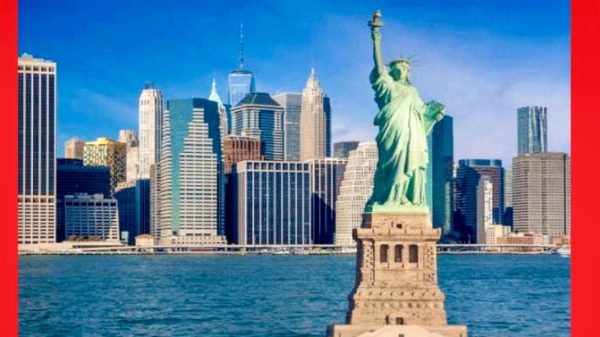
Although he did not name any specific cities, the US Department of Justice website currently lists 18 sanctuary cities. Among them, the names of New York, Los Angeles, Chicago, Philadelphia and Seattle are notable.
Experts fear that if this funding is stopped, the housing, public health, emergency management and education sectors may be directly affected. Immigrant and refugee rights groups say the decision will undermine public safety in US communities and put additional pressure on local governments.Meanwhile, this federal stance on sanctuary cities is fueling renewed political and legal debate over US immigration policy and federal-state relations.