শনিবার, ৩০ মে ২০২৬, ১১:১৫ অপরাহ্ন



Ziaur Rahman: Shaper of national renaissance
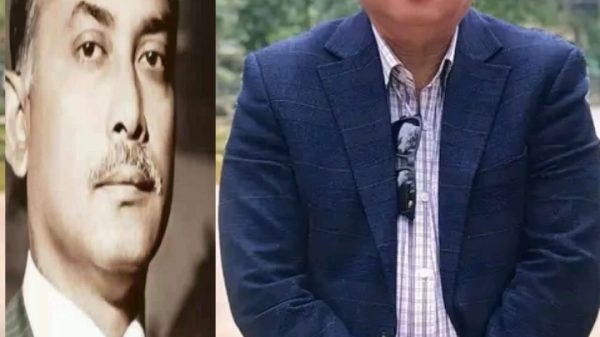
Martyred President Ziaur Rahman is a unique figure in the political history of Bangladesh. He was not only a successful military officer or statesman, but one of the architects of nationalism, multi-party democracy, press freedom, production-oriented economy, industrialization, international diplomacy and national reconstruction in post-independence Bangladesh. His life and work is an important chapter in the national development of Bangladesh.
Declaration of Great War of Liberation:
A brave voice in the freedom struggle On the night of March 25, 1971, when the Pakistani invading forces started massacring unarmed Bengalis under the name of “Operation Searchlight”, the war of resistance began in the whole of Bangladesh. At this critical moment, the then Major Ziaur Rahman read out the Declaration of Independence of Bangladesh on behalf of Sheikh Mujibur Rahman from the Kalurghat Radio Center in Chittagong. The message of freedom uttered in his voice united and energized the freedom-loving people across the country.
This declaration of Ziaur Rahman caused an important reaction in the international arena in the situation of severe communication at that time. The general public, students and members of the military gained new courage to mount an armed resistance for freedom. During the War of Liberation, he held the responsibility of Sector No. 1 and later formed the “Z Force” and gave extraordinary leadership in the frontal war. He was awarded the title “Veer Uttam” for his heroic role.
Throughout the liberation war, he emerged as a skilled military organizer through courage, strategy and leadership. His role in the history of independence war is considered as an important chapter in the freedom struggle of Bangladesh.
Sepahi-Janata revolution of November 7:
National integration and a new political trend began. After independence, the country was plagued by political instability, one-party rule, famine, administrative weakness and discontent within the army. After the political change of August 15, 1975, the country fell into further uncertainty. In this context, on November 7, 1975, the historic Sepahi-Janata revolution took place.
In this movement, ordinary soldiers on the streets,Participation of masses and patriotic forces was important. In the course of events on November 7, Ziaur Rahman was released from captivity and he rose to the center of national leadership. The day is known as “National Revolution and Solidarity Day” in nationalist politics.
Many people refer to November 7 as an important turning point in protecting the independence and sovereignty of Bangladesh. This revolution created a new political reality in the country and subsequently opened the way for the re-establishment of multi-party democracy, freedom of the press and the development of nationalist politics.
Ziaur Rahman considered the spirit of November 7 as a force for national unity, order, production and state reconstruction. Under his leadership, the country gradually started moving towards political stability and development.
Establishment of multi-party democracy:
After independence, virtually one-party rule was established in the country. Freedom of the press was curtailed, opposition politics was suppressed and the democratic environment was disrupted. In this context, President Ziaur Rahman took initiative to re-establish multi-party democracy. He restored the freedom to form political parties and revived the people’s right to vote and freedom of expression.
It was during his time that new vitality was created in the political arena of the country. Political parties of different views and ideologies get the opportunity to conduct organizational activities again. Ziaur Rahman believed that the beauty of democracy is the coexistence of pluralism. So he emphasized national unity and participatory politics.
Restoration of Freedom of the Press:
Martyr President Ziaur Rahman considered newspapers as the mirror of the state and society. On June 16, 1975, Sheikh Mujibur Rahman banned all newspapers in the country, keeping 4 newspapers as Bakshal’s mouthpiece. During Ziaur Rahman’s regime, strict control over newspapers was relaxed and new newspapers were opened. The field of independent journalism and expression expanded. As a result, free discussion on national politics, economy and social issues is possible.He played an important role in the development of democratic culture in the country by establishing freedom of media. It was during his time that newspapers began to play an effective role as a bridge between public expectations and state policies.
Formation of Nationalist Front:
With the aim of national unity, solidarity, prosperity and development, Ziaur Rahman took the initiative to organize the nationalist political forces. As a result, the Nationalist Front was formed, which later formed the basis for the establishment of the Bangladesh Nationalist Party. In this process, various political parties, professionals, labor organizations and individuals of nationalistic thinking came on one platform.
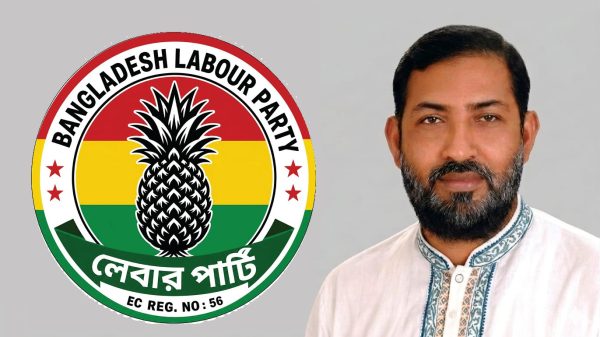
Maulana Abdul Mateen, the founder of the Bangladesh Labor Party, played a role in the formation of the Front as an important part of nationalist politics. The Labor Party plays an active role in national politics on issues of working people’s rights, Islamic values, democracy and national independence. Ziaur Rahman’s politics of national unity brought together people of different opinions and classes for a common national interest.
Role in garment industry and manpower export:
The statesman Ziaur Rahman took groundbreaking steps in the economic restructuring of the country, increasing production and creating a self-reliant economy. He realized that war-torn Bangladesh had to create new sectors of foreign export and employment in addition to agricultural and industrial production to survive. It was during his regime that the foundation of export-oriented industrial policy was laid in Bangladesh.
To eliminate unemployment, he gave special importance to the opening of closed industries, establishment of new factories and expansion of small and medium industries. It was during his time that private investment in industry was encouraged and new areas of employment were created. Youth development and technical training programs are strengthened to engage the youth in productive activities.
The institutional journey of Bangladesh’s garment industry or garment sector also started mainly during his time. Desh Garments Limited, established in joint venture with South Korean companies, opened new horizons in the garment industry of Bangladesh. Creating skilled manpower through this institution,Establishing linkages with international markets and establishing an export-oriented industrial system. Later this sector became the main driving force of the economy of Bangladesh and created employment opportunities for crores of people.
Not only the garment industry, Ziaur Rahman also played a historic role in foreign employment and manpower export. It was during his time that government initiatives to send Bangladeshi workers to various countries including the Middle East were strengthened. By sending skilled and unskilled workers to Saudi Arabia, Kuwait, United Arab Emirates, Qatar and other countries, new doors for earning foreign exchange are opened. At present, the strong foundation of expatriate income in the economy of Bangladesh was created during the time of Ziaur Rahman.
Role in international diplomacy, establishment of SAARC and world peace
Martyred President Ziaur Rahman took Bangladesh’s foreign policy to new heights. He strengthened international relations in the light of the principle of “friendship with all, enmity with none”. He played an important role in building balanced diplomatic relations with the Muslim world, South Asia, the Western world and China.
With the aim of strengthening regional cooperation in South Asia, his initiative later laid the foundation for the establishment of the South Asian Association for Regional Cooperation (SAARC). He was the first to strongly promote the concept of economic cooperation, regional stability and peaceful coexistence among South Asian countries. His visionary diplomatic thinking paved the way for the formation of SAARC.
He established friendly relations with the heads of states and leaders of various countries including Saudi Arabia, China, United States, Pakistan. He was vocal in the international arena for the unity of the Muslim Ummah, Palestine issue, world peace and regional stability. He emphasized on dialogue and peaceful solutions instead of war and conflict in various international forums.
Martyred President Ziaur Rahman is remembered in the history of Bangladesh as a brave soldier, successful statesman, pioneer of development and a symbol of national revival. From declaration of independence to establishment of multi-party democracy, ensuring freedom of press,His contribution to development of nationalist political power, industrialization, start of garment industry, export of manpower, Iran-Iraq war, establishment of SAARC and international diplomacy are of special importance in the history of Bangladesh.
Even today, Bangladesh’s nationalist politics, democratic spirit, economic development,His ideals and programs are considered important inspirations in international relations and state reconstruction.